
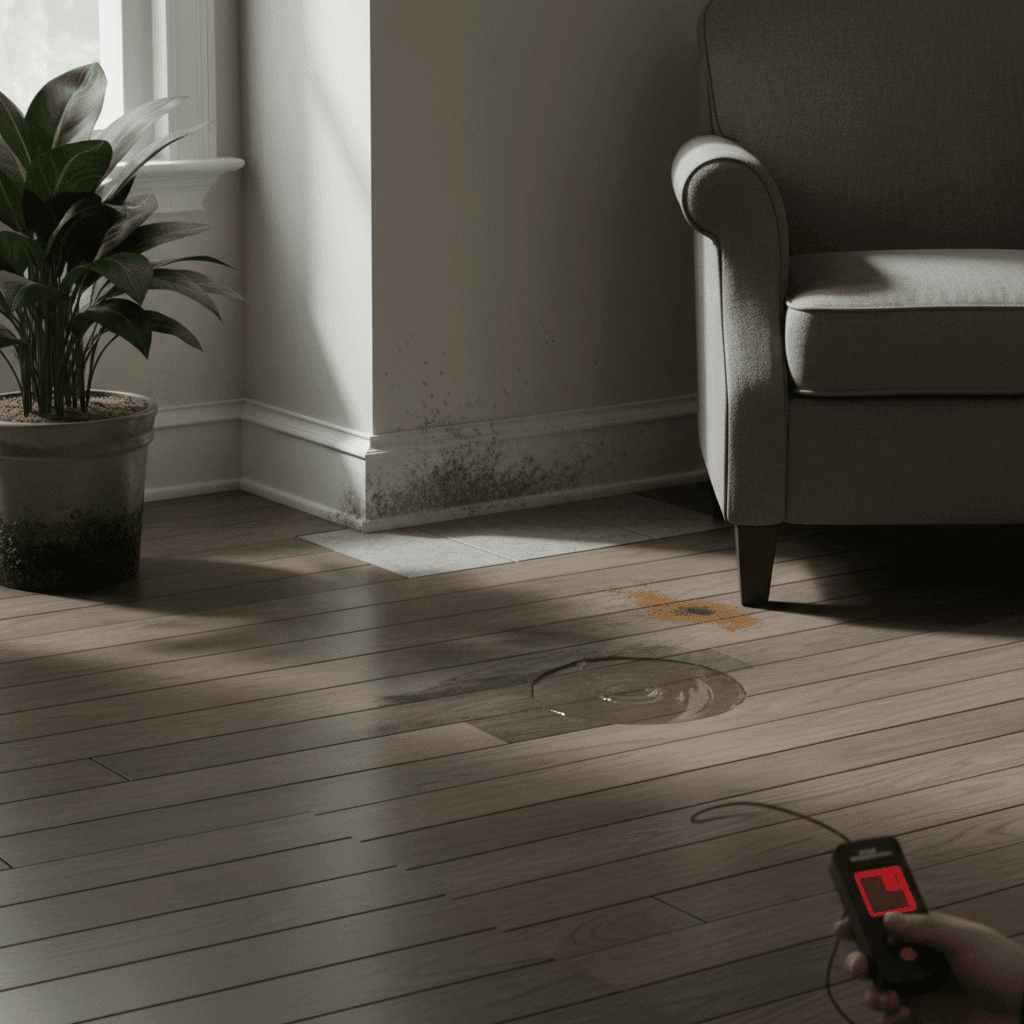
Slab leaks can start small and hide in plain sight. That slow trickle under the concrete slab of your home may go unnoticed until it becomes a major repair. Knowing the early signs of slab leaks helps you act sooner and limit damage to floors, foundations, and personal property.
This article lays out common warning signs, simple checks you can do at home, the technologies professionals use, common causes, and practical steps to take if you suspect a problem. Read through the examples and tips so you can spot trouble early and choose the right path forward.
What a slab leak is and why early detection matters
A slab leak is a water leak in supply lines or drain lines that run under a concrete foundation slab. These pipes may be copper, PVC, or PEX. When a leak starts beneath the slab it can erode soil, lift flooring, and feed mold growth in wall cavities. Damage can spread quietly and the cost to fix later is often much higher than addressing the issue early.
Early detection limits structural harm and lowers repair expense. Stopping a leak quickly protects indoor air quality and prevents secondary problems like warped wood, ruined carpet, and settled foundations. Even a small, ongoing leak can raise your water bill significantly and accelerate soil erosion under the slab.
Common early signs of slab leaks you can spot at home
Many slab leaks announce themselves with subtle household changes. Pay attention to shifts you would normally dismiss. Here are signs that tend to show up before visible flooring damage.
- Unexplained rise in the water bill A steady increase in usage without a change in habits is one of the clearest early signals.
- Hot spots on the floor Warm patches in the carpet or tile may indicate a hot water line leak under the slab.
- Damp or musty odors Persistent mildew smell in one area can mean moisture beneath the slab fueling mold.
- Cracked or settling tile and concrete Small, new cracks in tile grout or concrete near plumbing fixtures can be a reaction to shifting soil.
- Sound of running water Hearing water when no taps are on points to an invisible flow under the slab.
Changes in your water bill and usage patterns
Track monthly consumption and compare seasons. A leak under the slab will often show a constant background usage. To test for hidden flow, turn off all water in the house and check the water meter. If it continues to move the leak is likely within the property. This simple step can save hours of guessing and gives you a clear signal to call for a professional evaluation.
Flooring and surface clues to watch for
Carpet that suddenly feels damp in one area, tile that loosens, or hardwood that cups are surface clues. These signs may appear before major structural failures. Inspect places near bathrooms, water heaters, and kitchen islands. Floors closest to the source of plumbing work tend to show problems earlier.
How to perform safe, low cost checks at home
Before calling a licensed plumber there are a few checks you can do that are safe and inexpensive. These do not replace professional diagnostics but they help you decide how quickly to act.
- Meter test Turn off every water outlet then read the water meter. Wait 15 minutes and read again. Movement suggests a leak inside the line beyond the meter and inside the dwelling.
- Visual walk Scan walls, baseboards, and ceilings for damp spots or discoloration. Note any new paint bubbling or wallpaper peeling in a single area.
- Noise test In quiet hours listen near floors and walls for the sound of running water. Use a simple stethoscope app on a phone or a real listening device to pinpoint sounds.
- Check appliance supply lines Inspect connections to toilets, water heaters, dishwashers, and washing machines. A leaking supply line can mimic slab leak symptoms if water runs into wall or floor cavities.
Technology professionals use to find hidden leaks
When a homeowner has done basic checks a plumber will use noninvasive tools to locate a slab leak accurately. These technologies reduce guesswork and lower repair scope.
Acoustic leak detectors listen for the sound of water beneath concrete. Infrared cameras reveal temperature differences that point to warm water tracks. Pipe locators and electronic leak correlators map pipe runs and isolate the leak site. In some cases plumbers use small bore cameras or hydrostatic pressure testing to confirm a leak.
Some providers combine these tools to minimize concrete cutting and find the exact repair point. When the leak location is clear the repair is faster and less destructive.
Common causes of slab leaks in older and newer homes
Understanding how leaks start helps prevent them. Causes fall into a few categories depending on age of the plumbing and soil conditions.
- Corrosion of metal pipes Over decades copper pipes can corrode from the inside leading to pinhole leaks.
- Shifting soil and settling Ground movement from drought or settling can stress pipes and create fractures.
- Poor installation Pipes installed without proper protection against concrete abrasion or with low quality fittings can fail sooner.
- High water pressure Excess pressure stresses pipe joints and fittings and increases the chance of a leak developing.
- External damage Activity on the property such as tree roots or heavy machinery can nick or stress lines under the slab.
Repair options and what to expect during service
When a slab leak is confirmed repair options vary with location and pipe material. A qualified plumber will present repair choices and outline tradeoffs.
- Spot repair Cutting and replacing a small section of pipe often keeps repair area limited and lowers cost.
- Pipe rerouting Running new lines above the slab avoids future cutting of concrete and is common in remodels.
- Full repipe In older homes with many failing pipes a full repipe may be recommended to prevent recurring issues.
Ask for a clear scope of work that lists what parts of the slab will be opened, time estimates, and cleanup plans. A reliable team will explain options and help you weigh short term cost against long term risk.
Simple preventive steps every homeowner can take
While some causes are out of your control there are simple actions that reduce risk. Regular checks and small investments pay off over time.
- Monitor your water bill monthly Early detection often begins with noticing an unexpected increase.
- Install a pressure regulator If your home has high water pressure a regulator protects pipes and fixtures.
- Insulate exposed lines Protect interior lines from temperature changes that can cause expansion stress.
- Avoid heavy loading near plumbing runs Refrain from placing heavy equipment or storage over areas where pipes run under the slab.
- Schedule periodic inspections A professional tune up every few years can catch slow failures before they accelerate.
When to call a professional and choosing the right service
If your meter test indicates ongoing flow or you find warm patches and water sound inside the home call a licensed plumber. Fast action limits the damage footprint and can cut repair cost significantly.
Look for a contractor who uses noninvasive locating tools and who provides a clear written estimate. Ask about warranty terms for both labor and parts. If you prefer a more conservative repair approach ask about options that minimize concrete cutting.
For homeowners in the Austin area seeking experienced support try a local company that specializes in leak location and foundation related plumbing work. For example local technicians often offer combined infrared and acoustic diagnostics when performing slab leak detection and repair to reduce the amount of concrete that needs removal.
Slab leaks are easier to manage when you know what to watch for and when you act early. Keep a regular eye on your water bill and be ready to run a simple meter test if you notice signs such as warm floors, damp spots, or the sound of running water. If a problem is confirmed pick a professional who explains methods, shows diagnostic results, and offers options with clear costs.
Conclusion
Recognizing early signs of slab leaks gives you the best chance to protect your home with limited disruption. Small clues such as a rising water bill, hot spots on flooring, damp odors, and tile cracking often come long before visible collapse or major structural harm. Use the easy home checks outlined here to determine whether you need a professional evaluation. When you do hire a technician choose one who uses noninvasive diagnostic tools and who lays out repair options and expected outcomes in writing. Acting quickly keeps repair costs down and prevents secondary problems like mold and foundation settlement. If you suspect a slab leak start with a meter test, document what you find with photos, and contact a licensed plumber for a precise inspection. Quick action matters. Schedule an inspection sooner rather than later so you can stop damage early and protect the value and safety of your home.