
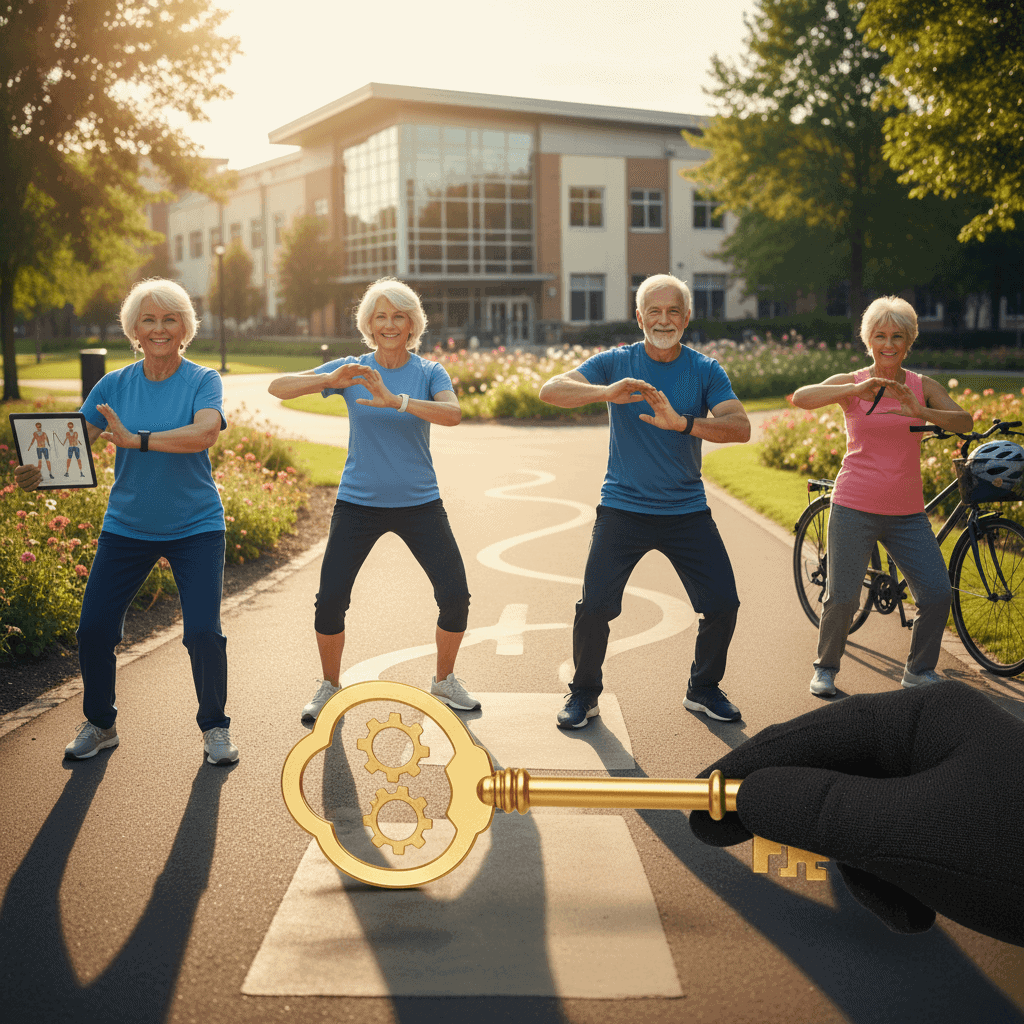
Active living after age 60 can be one of the most rewarding chapters of life. With the right safety strategies, older adults can keep moving, enjoy social activities, and maintain independence for longer. This article offers clear, practical steps to support safe movement, reduce risk of injury, and build routines that fit daily life.
Read on for tangible recommendations you can try this week. Whether you are an older adult, a caregiver, or a professional supporting clients, the goal is the same. Make activity safer and more enjoyable so physical and social benefits continue to grow.
Active Aging and Safety Strategies for Everyday Life
Active aging means staying engaged physically and mentally while paying attention to risk factors that change with time. Many people overestimate what they can do without help. A short checklist can guide better choices. Start with a simple self-assessment of balance, vision, hearing, and current medications. Small adjustments often prevent the largest problems.
- Balance checks like standing on one leg for 10 seconds provide a quick screening tool
- Routine vision and hearing screenings reduce the chance of missteps in unfamiliar spaces
- Medication reviews with a clinician can reveal interactions that raise fall risk
Few changes are costly. Moving a loose rug, adding brighter bulbs, or switching to a low profile shoe can cut risk significantly. For more structured guidance, consult a short resource on senior fitness safety tips that lists practical home and exercise ideas.
Creating a Safe Home Environment for Active Aging
Homes should support movement rather than block it. Focus on three areas at first: walking paths, lighting, and bathroom safety. Clear paths of clutter and unplug trailing cords to reduce tripping hazards. Good lighting reduces missteps at dusk and on stairs.
Practical bathroom updates
Bathrooms are a common site for falls. Install grab bars near the toilet and in the shower or tub. A shower seat and non slip mats provide extra support. If a full renovation is not possible, a simple hand held shower head and raised toilet seat can improve comfort and safety.
Stair and entrance safety
Stairways should have sturdy handrails on both sides when possible. Add non slip strips to each step and make sure thresholds are low or beveled. Consider a motion sensor light by the main entrance to help with safe entry at night.
Designing a Balanced Exercise Plan for Older Adults
Regular movement is a cornerstone of healthy aging. A balanced plan includes strength work, balance practice, flexibility, and aerobic activity. Aim for a mix that fits personal ability and health status rather than following a generic program.
- Strength training two times per week helps preserve muscle mass and bone density
- Balance exercises like tandem stance or heel to toe walking reduce fall risk
- Low impact aerobic activity such as brisk walking, cycling, or water classes supports heart health
Sample weekly routine
A simple week could look like this. Monday and Thursday strength sessions with bodyweight, resistance bands, or light weights. Tuesday and Friday 30 minutes of walking. Wednesday a 10 to 15 minute balance and flexibility routine. Weekend family walks or gardening count as activity too.
Adapting intensity
Adjust intensity to match fitness and health conditions. Use perceived exertion to guide effort rather than pulse targets. If shortness of breath or chest discomfort appears, stop and seek medical advice. Modest consistency over months produces meaningful gains in function and confidence.
Preventing Falls with Practical Mobility Techniques
Falls are a leading cause of injury for older adults. According to data from public health agencies, about one in four adults aged 65 and older falls each year. Targeted steps can cut risk and improve recovery ability.
- Practice sit to stand and step up drills to build functional strength
- Use a cane or walker when uneven surfaces or long distances are expected
- Wear shoes with low heels and good traction even when indoors
Teaching safe movement strategies matters. For example, when rising from the floor, rolling to the side and using hands to push up can be safer than trying to stand straight away. Learning to fall safely is also possible with a trained instructor in controlled settings, lowering injury chance during a slip.
Nutrition, Hydration, and Medication Safety for Older Adults
Safety is not only physical layout and movement. Nutrition and medications shape energy, balance, and cognitive clarity. Many older adults take multiple prescriptions. Polypharmacy raises the chance of dizziness or confusion.
- Schedule a medication review with a pharmacist or physician at least annually
- Maintain regular hydration habits, especially with hot weather or after exercise
- Include protein at meals to support muscle repair and recovery
Practical examples include keeping a reusable water bottle within reach, setting phone reminders for medications, and choosing snacks like yogurt, nuts, or hard boiled eggs after activity to help muscles recover. If appetite is low, small frequent meals can help maintain weight and energy levels.
Working with Healthcare Providers and Fitness Professionals
Collaboration with professionals helps tailor safe plans to individual goals and medical history. A primary care clinician can screen for underlying conditions that affect balance. A physical therapist can prescribe targeted strength and balance exercises. A certified fitness instructor who has experience with older adults can adapt classes to different levels.
What to ask at appointments
Bring a list of current activities, recent changes in mobility, and any falls or near misses. Ask which exercises are safe and whether any movements should be avoided. Request referrals if gait training or home exercise programs would help.
Choosing the right class
Look for small group sizes and instructors who offer progressions. Programs that include a warm up, a period of balance or strength work, and a cool down are effective for building capacity without excess strain. If in doubt, start with one on one sessions and transition to groups when confidence and ability match the class level.
Technology and Tools That Support Safe Active Living
Simple tools can add layers of safety. Personal alert devices provide a way to summon help if a fall occurs. Smart light sensors and voice controlled systems make navigation easier when hands are full. Pedometers and activity trackers offer gentle feedback that helps maintain consistency.
- Choose alert devices that work in your living area and during outdoor walks
- Use motion sensing lights in hallways and bathrooms to prevent trips at night
- Consider a wearable that monitors steps and encourages gentle goals
When introducing a new device, spend time learning its features and testing it in safe scenarios. Family members and neighbors can be added as contacts for alerts so help is available quickly when needed.
Active aging is a practical combination of staying active and reducing preventable risks. Small, steady changes lead to measurable improvements in mobility, mood, and social engagement. Plan movement that matches current abilities, make simple home updates, review medications, and seek professional input when changes occur. Try one new safety habit this week such as a short balance routine, brighter hallway lighting, or a medication review. Those small steps build resilience over time and make daily life safer and more enjoyable. If you support an older adult, offer to help try a new routine together and celebrate progress.
Take action now. Pick one suggestion from this article and set a date to start. If questions come up, consult a healthcare provider or a fitness professional trained with older adults for guidance. With practical strategies in place, active living can remain a central, safe part of life for many years ahead.